
What Does a Financial Controller Actually Do? Why Growing Businesses Need One

One of the biggest misconceptions I hear from business owners is that once they have a bookkeeper, a CPA, and maybe even a CFO, their financial team is complete. It makes sense. The books are reconciled. Taxes are filed on time. Financial reports arrive every month. From the outside, everything appears to be working exactly as it should.
And yet many of the businesses we work with still struggle to explain why cash always feels tighter than it should, why different reports tell different stories, or why making financial decisions has become more difficult as the business has grown.
The answer usually isn't that something is broken. It's that there's often a gap between what the financial statements say and what's actually happening inside the business.
That's the gap a financial controller is there to close.
A Financial Controller Connects the Numbers to the Business
As businesses grow, financial responsibilities naturally become more specialized.
Your bookkeeper records the day-to-day financial activity that keeps your business running. Your CPA focuses on tax planning, compliance, and financial reporting. If you have a CFO, they're helping leadership think strategically about growth, financing, and the future of the business.
Each role is essential. But none of them are designed to do exactly what a financial controller does.
Controller work sits at the intersection of accounting and operations. We aren't simply reviewing financial statements or checking that transactions were entered correctly. We're asking whether the financial information reflects the way the business actually operates.
Sometimes the issue is timing. Revenue is recorded in the wrong reporting period. Sometimes departments are following different accounting practices, or sales, operations, and accounting aren't working from the same information. Individually, those issues may seem small. Together, they can create a financial picture that leads leadership in the wrong direction.
A financial controller understands how the business makes money, how cash moves through the organization, and how operational decisions eventually show up in the financial statements. That perspective allows us to organize financial information in a way leadership can use with confidence, helping close the gap between what the reports say and what's actually happening inside the business.
If you'd like a deeper look at how each financial role contributes to stronger financial leadership, we've explored that throughout our financial leadership series in How Your Bookkeeper Impacts Cash Flow (More Than You Think), How Financial Controllers Turn Accurate Numbers Into Better Cash Flow, and How CFOs Turn Accurate Financial Data Into Better Business Decisions.
When the Numbers Tell the Wrong Story
We recently worked with a business owner who believed the company had taken a significant step backward financially.
Revenue appeared lower than the previous year. Payroll had increased after well-earned raises were given to employees. The financial statements suggested the business had moved from a profitable year into a disappointing one.
At first glance, the numbers seemed clear. But as we started asking questions, a different picture emerged. A significant portion of customer billing had been processed in January rather than before year-end. The work had been completed. The revenue had been earned. It simply hadn't been recorded in the reporting period leadership was reviewing.
Nothing about the business had fundamentally changed. The story the numbers were telling had changed.
Without taking the time to understand what was happening behind the reports, leadership could easily have responded by cutting spending, delaying investments, or changing strategy based on information that didn't reflect what was actually happening inside the business.
Better Financial Information Leads to Better Decisions
The value of a financial controller isn't producing more financial reports. It's helping leadership trust the reports they already receive.
When financial reporting reflects the way the business actually operates, conversations begin to change. Leadership spends less time debating whether the numbers are correct and more time deciding what to do next. Problems are identified earlier. Departments become more accountable. Financial decisions become more intentional because they're grounded in information everyone trusts.
Perhaps just as importantly, everyone on the financial team is able to do their best work. Bookkeepers maintain accurate records. CPAs can focus on tax strategy and compliance. CFOs can build long-term strategy on information they know is reliable. The controller connects those pieces together so the entire financial team is moving in the same direction.
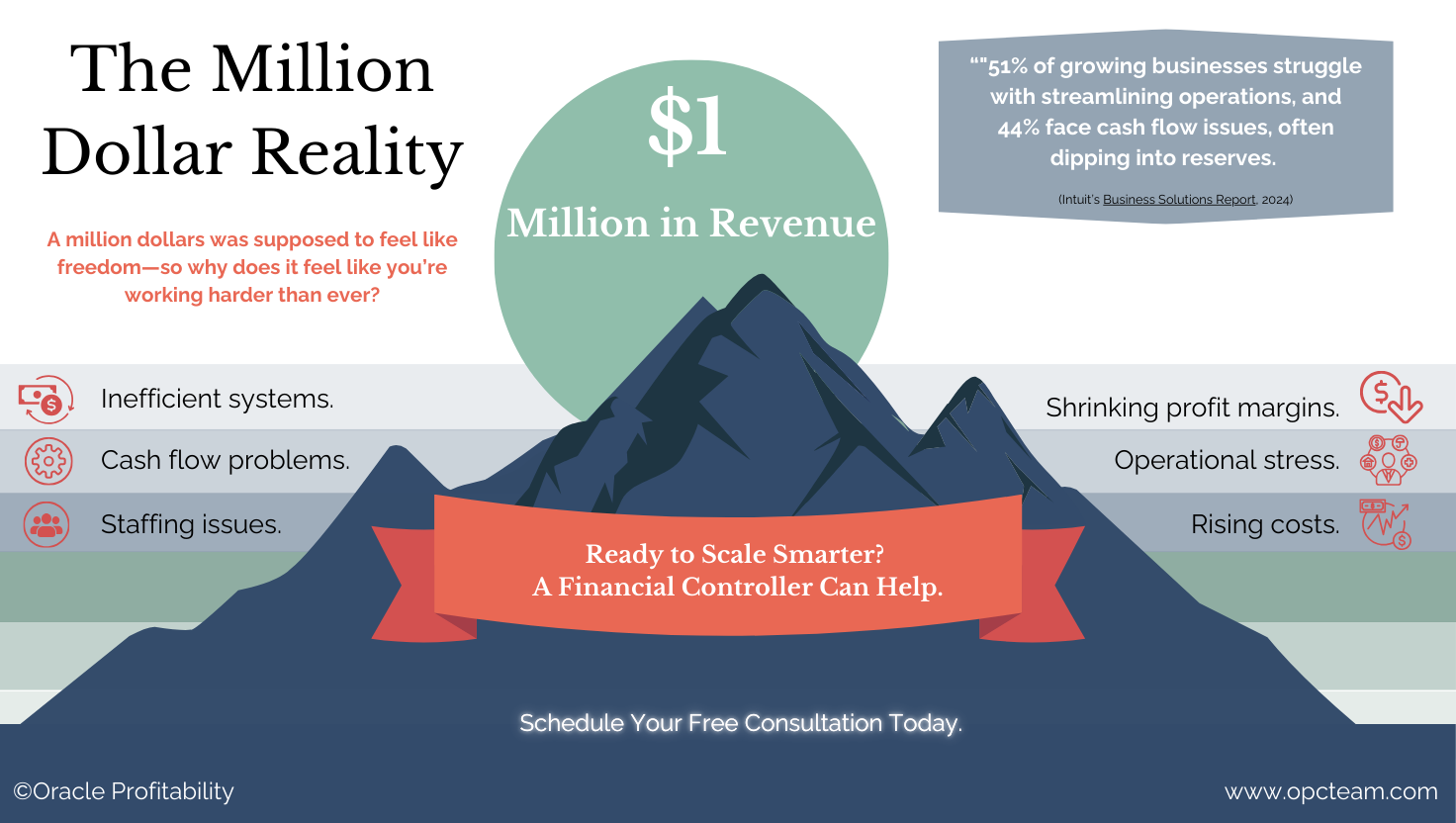
Most businesses don't wake up one morning suddenly needing a financial controller. The need develops gradually as the business becomes more complex. More employees. More departments. More revenue streams. More decisions. Eventually, the financial systems that supported a smaller business stop providing leadership with the information needed to confidently run a larger one.
If you're wondering whether your business has reached that point, our Financial Controller Review is designed for exactly that conversation. Together, we'll evaluate how your financial reporting is structured, whether it's helping leadership answer the questions that matter most, and where stronger controller oversight could help your business grow with greater confidence.